

3 Things to Consider Before Investing in a Luxury Watch
We get asked the same question at least once a day: "Which watch should I buy as an investment?" It's a fair question, and the short answer is that certain brands and references have historically held or increased in value over time. But the longer answer — the honest one — is that watch investment isn't quite as straightforward as social media would have you believe.
I've been in this business since the mid-2000s, and I've seen people make very smart purchases that paid off handsomely. I've also seen people chase hype, overpay at the peak, and end up sitting on a watch worth less than they paid for it. The difference between those two outcomes almost always comes down to three things. If you're thinking about buying a luxury watch with investment in mind, consider these before you spend a penny.
1. Brand and Model Matter More Than You Think
Not all luxury watches are investments. I know that sounds obvious, but it's remarkable how often buyers assume that any watch with a four- or five-figure price tag will appreciate. It won't. The vast majority of luxury watches lose value the moment you walk out of the boutique, in the same way a new car depreciates the moment it leaves the forecourt.
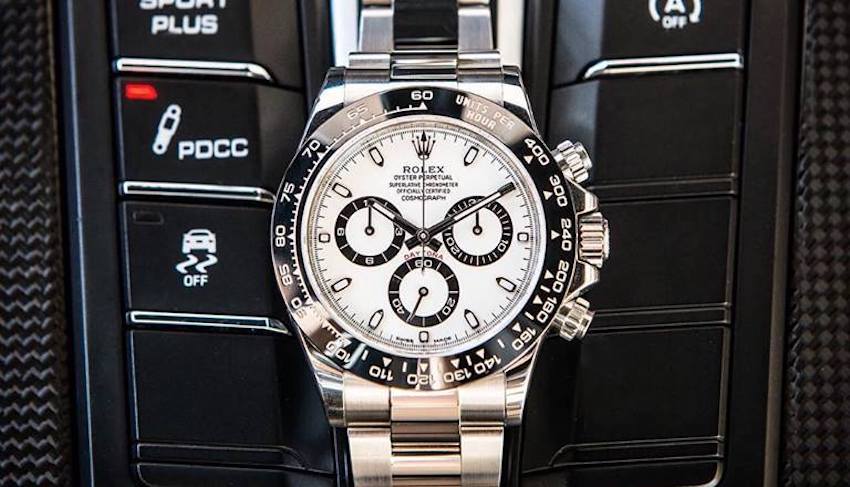
The brands that have consistently demonstrated strong secondary-market performance are a very short list. Rolex, Patek Philippe, Audemars Piguet and, more recently, Richard Mille — these are the names that come up again and again when you look at auction results and resale data. Within those brands, it's specific references that perform, not the brand as a whole. A Rolex Submariner or Daytona will behave very differently on the secondary market to a Rolex Cellini, for instance.
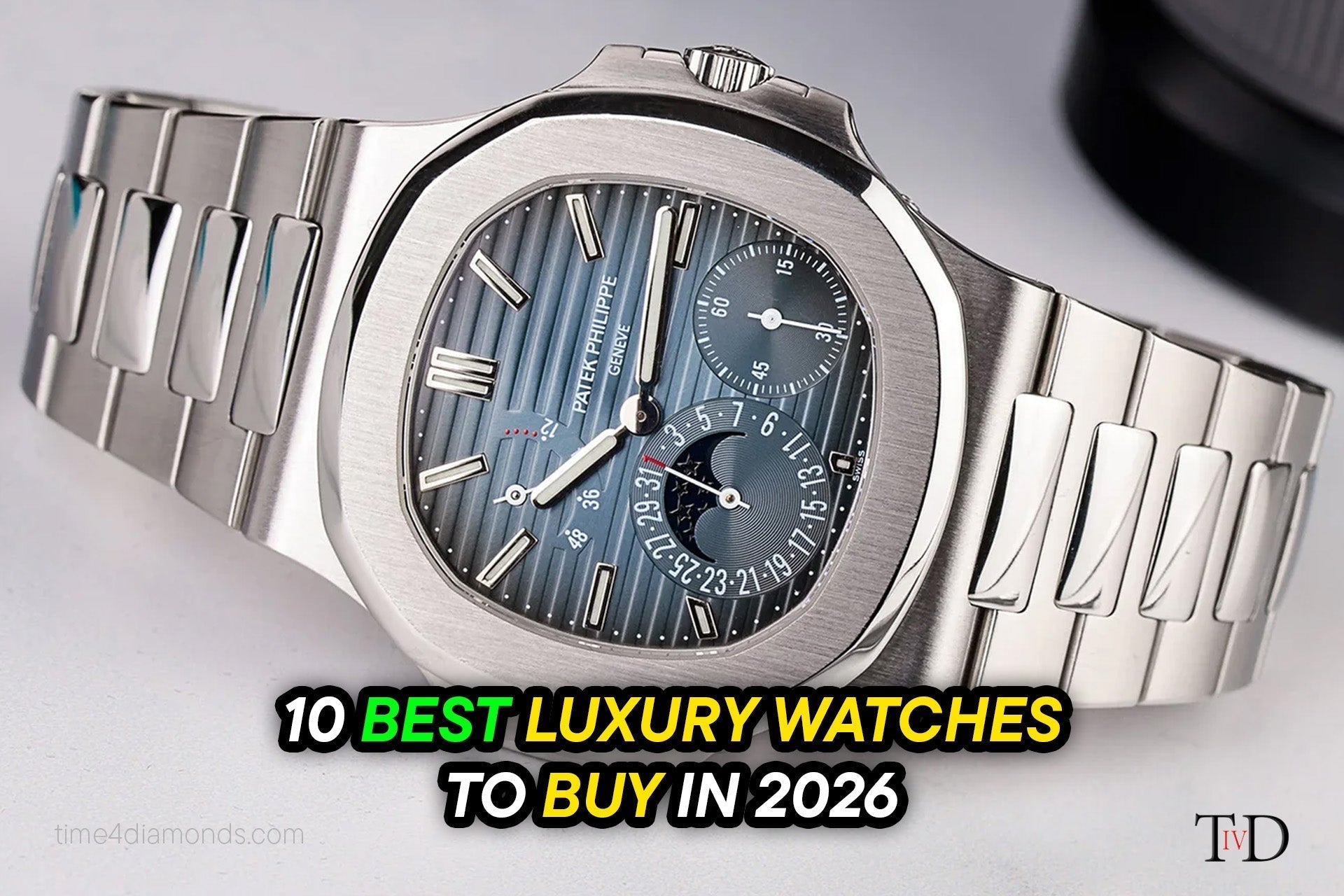
Here's what I tell clients: narrow your search to models with proven demand. The Patek Philippe Nautilus, the Rolex Daytona, the AP Royal Oak — these references have track records spanning decades. That doesn't guarantee future returns, but it gives you a foundation of evidence rather than guesswork. For specific model recommendations, our guides on the best Patek Philippe watches to invest in and the best Rolex investment watches for 2026 go into much more detail.
2. Condition and Completeness Can Make or Break Your Return
This is the factor most first-time buyers underestimate. A watch's condition and the completeness of its accompanying documentation have an enormous impact on resale value — sometimes the difference between a healthy profit and a loss.
"Full set" in watch terms means the watch comes with its original box, papers (warranty card or certificate), hangtags, manuals and ideally the original purchase receipt. A full-set Rolex Submariner can command 10–20% more than an identical watch sold "naked" (without papers or box). For rarer pieces like a Patek Philippe Nautilus or an Audemars Piguet Royal Oak, the premium for full-set examples can be even higher.
Condition matters just as much. A watch with a scratch-free case, unworn bracelet and unblemished dial will always outperform one that's been worn hard. That doesn't mean you shouldn't wear your watch — life's too short for that — but it does mean you should treat it with care. Regular servicing helps too. A watch with a documented service history from a reputable workshop inspires confidence in buyers, which translates directly into price.
One thing I always tell clients who buy through us: keep everything. The box, the warranty card, the little polishing cloth — all of it. Tuck it away somewhere safe. When you come to sell five or ten years down the line, you'll thank yourself. And when that time comes, we're always happy to buy your watch or sell it on your behalf.
3. Timing and Patience Are Everything
The luxury watch market had a reality check in 2022. After two years of almost vertical price increases — fuelled by lockdown savings, social media hype and a gold-rush mentality — the market corrected. Some models that had been trading at three or four times retail dropped by 30–40%. People who'd bought at the very peak were left holding watches worth significantly less than they'd paid.
That correction was painful for some, but it was also healthy. It flushed out the speculators and reminded everyone of a fundamental truth: watches are not stocks. They don't offer quarterly dividends, they're not liquid in the way financial instruments are, and their value is influenced by trends, sentiment and cultural moments that nobody can reliably predict.
What the correction also showed, though, is which watches are genuinely resilient. The Patek Philippe Nautilus 5711 dipped, but it recovered faster and more completely than almost anything else on the market. The Rolex Daytona barely flinched. These are the models with deep, committed collector bases — people who buy because they love the watch, not because they saw a TikTok about flipping Rolexes for profit.
The lesson here is patience. The best returns in watch investment come to people who buy well, hold for five to ten years (or longer) and sell when the time is right. If you're looking for a quick flip, you're more likely to be disappointed than rewarded. This isn't day trading. It's more like buying property in a desirable postcode — slow, steady and rewarding if you pick the right spot.
Looking for the right watch investment?
Call or message us with your preferred brand, budget, or investment goals, and our team will share suitable options, lead time, and pricing.
So, Where Does That Leave You?
If you've read this far, you already have a better foundation than most people who walk into a watch dealer's shop with "investment" on their mind. To summarise: stick to proven brands and references, insist on condition and completeness, and think long-term rather than chasing short-term spikes.
Beyond that, buy something you genuinely want to wear. The best investment watch is one that makes you smile every time you glance at your wrist, because even if the market has a bad year, that feeling doesn't depreciate. We've written a broader overview of how the luxury watch market behaves as an asset class in our guide to investing in luxury watches, which pairs well with this article if you want to go deeper.
And if you'd like personalised advice on which models suit your budget and goals, we're just an email or phone call away. Twenty-plus years in the trade means we've seen most scenarios play out, and we're always honest about what we think — even when that means talking someone out of a purchase that doesn't make sense for them.


Leave a comment
This site is protected by hCaptcha and the hCaptcha Privacy Policy and Terms of Service apply.