

Article: What is a Watch Bezel? Types, Functions and Why It Matters
What is a Watch Bezel? Types, Functions and Why It Matters
If you have ever looked closely at a luxury watch, you have probably noticed the ring that sits around the outside of the dial. That ring is called the bezel, and it is one of the most important design elements on any timepiece. Whether you are shopping for your first Rolex or you are a seasoned collector looking at Audemars Piguet or Hublot, understanding the bezel helps you appreciate what makes each watch unique and why certain models command the prices they do.
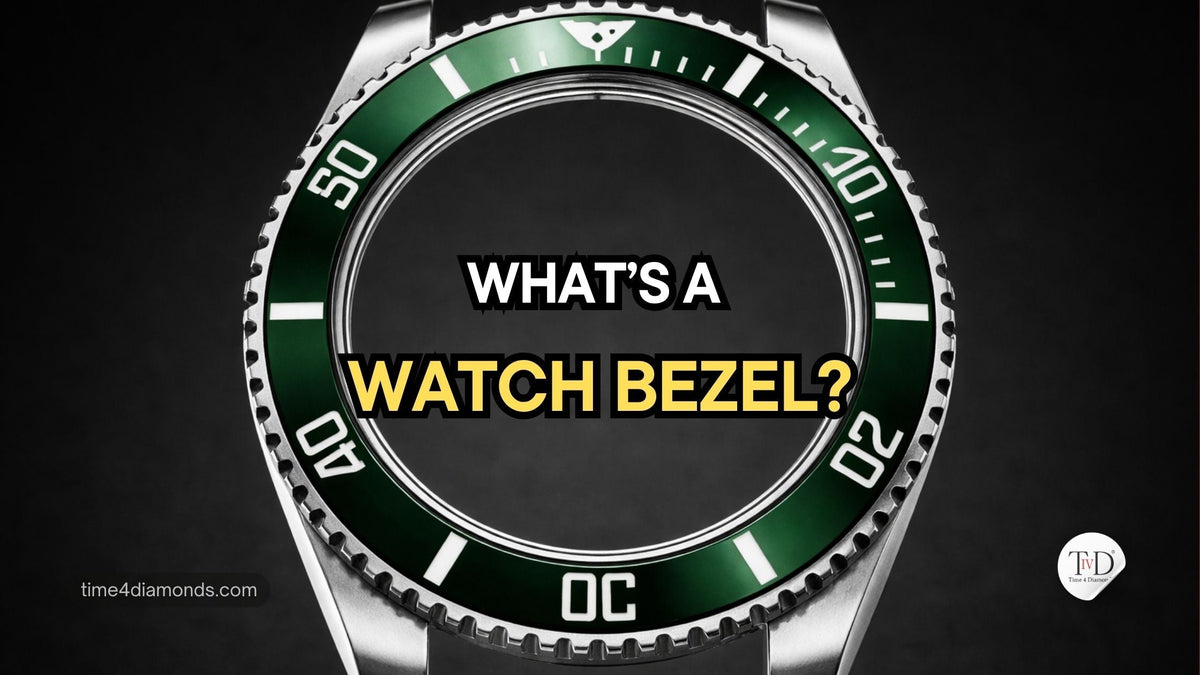
In simple terms, the bezel is the ring that surrounds the watch face. It sits on top of the case and holds the crystal (the glass covering the dial) in place. But calling it "just a ring" would be selling it short. On many watches, the bezel is one of the defining features that gives a model its character and, in some cases, its entire purpose.

How Does a Watch Bezel Work?
At its most basic level, the bezel protects the crystal and seals the watch case. On a dress watch or a simple everyday timepiece, the bezel might be smooth and understated, doing its job quietly without drawing attention.
But on tool watches and sports watches, the bezel becomes a functional instrument. Depending on the type, it can help divers track how long they have been underwater, help pilots calculate fuel consumption, or allow travellers to read the time in a second time zone at a glance. The bezel turns a watch from something that simply tells the time into something that actively helps you do your job or enjoy your hobby.
Types of Watch Bezels
There are several different bezel types you will come across in the luxury watch world, and each one serves a different purpose.
Fixed Bezels
A fixed bezel does not rotate or move. It is permanently attached to the case and serves a mainly aesthetic purpose. You will find fixed bezels on many dress watches and classic everyday models. The Rolex Datejust with its signature fluted bezel is one of the best known examples of a fixed bezel that became an icon in its own right.
The fluted bezel on the Datejust was originally designed for a practical reason. In the early days of Rolex, the fluting helped screw the bezel onto the case to ensure water resistance. Over time, as manufacturing techniques improved, the fluting became a purely decorative signature. Today, a fluted bezel on a Rolex is one of the most recognisable design details in all of watchmaking.
Rotating Bezels
A rotating bezel can be turned by the wearer, and this is where things get really interesting. There are two main types of rotating bezels.
Unidirectional rotating bezels can only turn in one direction, typically counterclockwise. This is the standard on dive watches like the Rolex Submariner. The reason it only rotates one way is safety. If a diver accidentally bumps the bezel underwater, it can only move in the direction that would overestimate their elapsed time, not underestimate it. This means the diver would surface earlier than planned rather than later, which could save their life.
To use a dive bezel, you line up the zero marker with the minute hand at the start of your dive. As time passes, you can glance at the bezel markings to see exactly how many minutes have gone by.
Bidirectional rotating bezels can turn in both directions and are commonly found on GMT watches. The Rolex GMT Master II uses a bidirectional bezel with 24 hour markings, which allows the wearer to track a second time zone.

Tachymeter Bezels
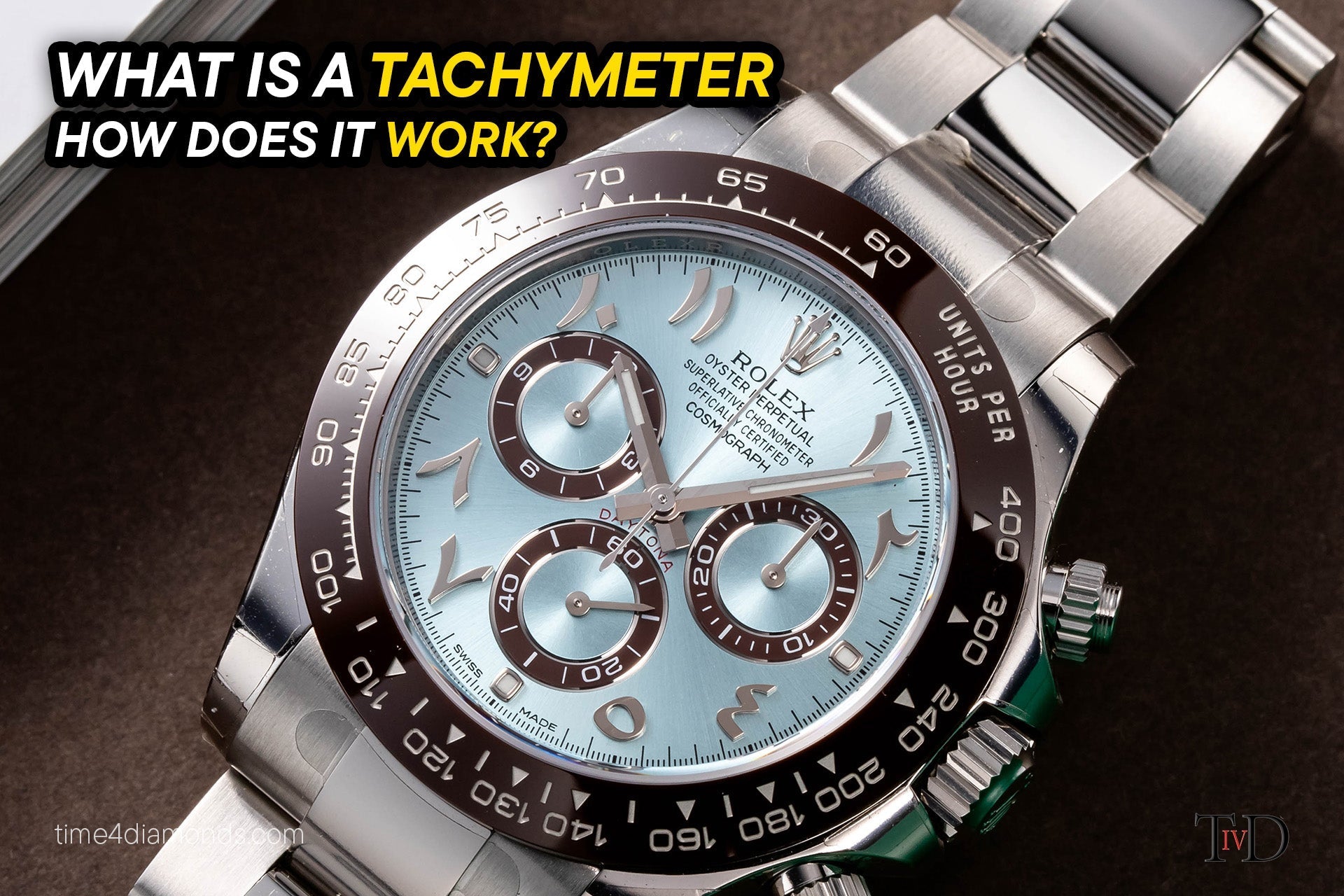
A tachymeter bezel has a scale printed or engraved around its circumference that allows you to measure speed based on travel time. The Rolex Daytona is the most famous example. If you know the distance between two points (say one mile or one kilometre), you start the chronograph as you pass the first point and stop it at the second. The number on the tachymeter scale that lines up with the seconds hand tells you your speed per hour.
This is why the Daytona was originally designed for motorsport. The tachymeter turned it into a precision tool for racing drivers. Even today, the Daytona remains one of the most desirable chronograph watches in the world.
Countdown Bezels
Less common but still worth knowing about, countdown bezels work in reverse. Instead of counting up from zero, they count down from a set time. These are most often found on pilot watches and were originally used to time specific flight manoeuvres or countdowns to a particular event.
Compass Bezels
Some adventure and field watches feature bezels with compass markings. When used with an analog watch and the position of the sun, you can get a rough sense of direction. This is a niche feature, but it shows just how versatile the bezel can be.
Bezel Materials
The material a bezel is made from affects both its look and its durability.
Stainless steel bezels are sturdy and classic. Most Rolex sports watches used stainless steel bezels for decades before the brand transitioned to ceramic for many models.
Ceramic bezels are now the standard on many high end sports watches. Rolex uses their proprietary Cerachrom ceramic on models like the Submariner, GMT Master II, and Daytona. Ceramic is extremely scratch resistant and does not fade from UV exposure, meaning the colours stay sharp and vibrant for years. You can read more about watch case materials including ceramic in our dedicated guide.
Gold bezels are found on dressier models and two tone watches. A gold fluted bezel on a Rolex Datejust or Day Date adds a layer of luxury that stainless steel simply cannot match.
Gemstone bezels take things even further. Some factory models from brands like Rolex and Audemars Piguet come with diamond set bezels straight from the manufacturer. At Time 4 Diamonds, we also offer custom diamond bezel options through our bespoke customisation service, allowing you to add diamonds to virtually any luxury watch. We also stock a wide range of aftermarket bezels for Rolex, AP, Patek Philippe and more.
Why the Bezel Matters When Buying a Watch
The bezel might seem like a small detail, but it has a real impact on the character, value, and functionality of a watch.
From a practical standpoint, the right bezel type can turn a standard watch into a tool that genuinely helps you in everyday life. A GMT bezel is invaluable if you travel between time zones. A dive bezel is essential if you spend time underwater.
From a style perspective, the bezel is often the first thing people notice. A smooth bezel gives a cleaner, more modern look. A fluted bezel adds texture and catches the light beautifully. A diamond set bezel makes a statement that is impossible to miss.
And from a value standpoint, the bezel material and condition are important factors in determining what a luxury watch is worth, especially on the pre owned market. A scratched up bezel can lower a watch's value, while an original factory bezel in good condition helps maintain strong resale prices.
The Bezel on Some of the Most Iconic Watches
Some of the most famous watches in history are defined by their bezels.
The Rolex Submariner with its black unidirectional ceramic bezel is arguably the most recognised dive watch ever made. The Rolex GMT Master II in the "Pepsi" configuration (with its blue and red bezel) has been one of the hottest watches in the collector community for years. The Audemars Piguet Royal Oak with its signature octagonal bezel, secured by eight hexagonal screws, broke all the rules when it launched in 1972 and created an entirely new category of luxury sports watches. And the Hublot Big Bang brought bold, oversized bezels into modern luxury watchmaking.
Each of these watches owes a huge part of its identity to its bezel design.
Final Thoughts
The bezel is far more than a decorative ring around your watch face. It can help you time a dive, track a second time zone, measure speed, or simply elevate the look of a classic timepiece. Understanding what type of bezel you want and what material it is made from will help you make smarter buying decisions and appreciate the craftsmanship that goes into every luxury watch.
If you are exploring your options, take a look at our full watch collection at Time 4 Diamonds. Whether you prefer the clean lines of a smooth bezel, the elegance of a fluted design, or the functionality of a rotating diver or GMT bezel, we have something for every taste and style.

Leave a comment
This site is protected by hCaptcha and the hCaptcha Privacy Policy and Terms of Service apply.